Applications guide the specification

Sunbrella Fabrics for Distinct Outdoor Exposure Systems

Sun, rain, salt, tension, cleaning, hardware and seasonal storage determine which textile questions matter. Application guidance keeps those conditions visible while a team compares color, weave, finish and installed construction.

Outdoor textile application board
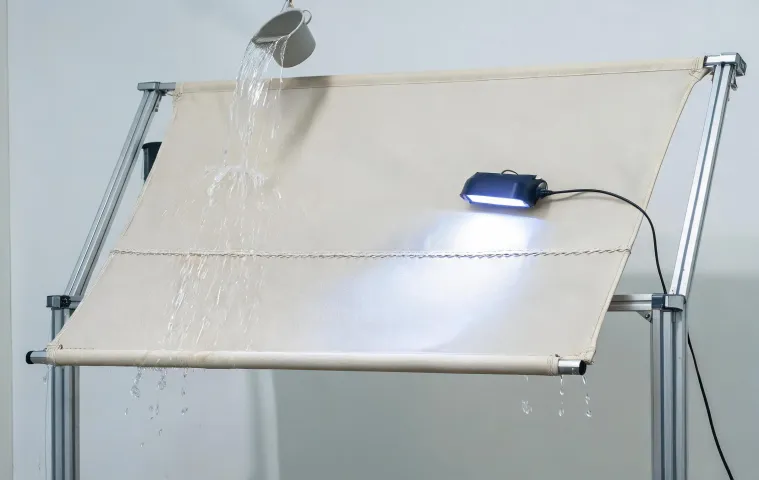
Awning fabric under tension and weather exposure

Awnings and canopies

Continuous sun, wind load, rainfall, tension and seasonal cleaning interact with width, weave, seam or weld route and hardware. Water shedding depends on slope and assembly, not the face textile alone.

Useful brief fields
Span, slope, exposure, seam route, hardware, color, cleaning access and applicable weathering method.
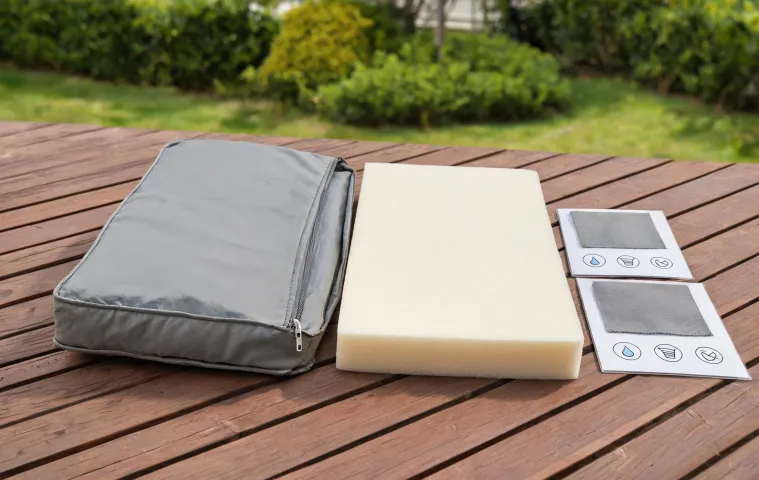
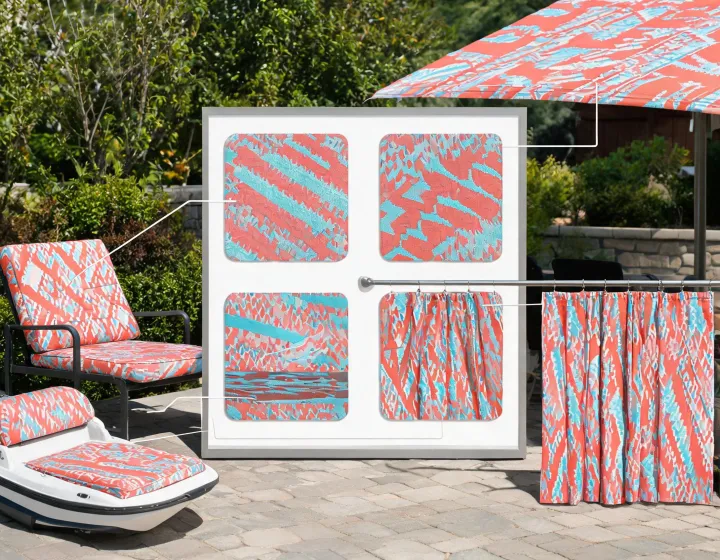
Outdoor seating cushion assembly

Outdoor seating

Contact, spills, wet cushions, sunlight and repeated cleaning require review of abrasion, pilling, drying, color response and seam construction. Cushion foam and drainage can control moisture retention.

Useful brief fields
Seat type, exposure, cushion build, seam, cleaner, usage frequency, shade and replacement cycle.
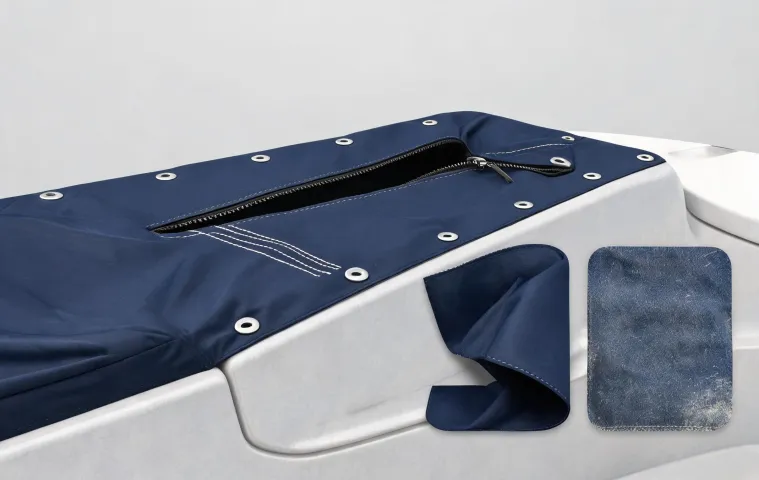
Marine cover textile with hardware and salt exposure

Marine covers

Flexing, hardware, edge reinforcement, salt, moisture, mildew conditions and storage affect the cover system. A water-response result does not establish waterproof seams, zippers or attachment points.

Useful brief fields
Cover geometry, hardware, seam, salt exposure, ventilation, storage, cleaning and water-entry route.
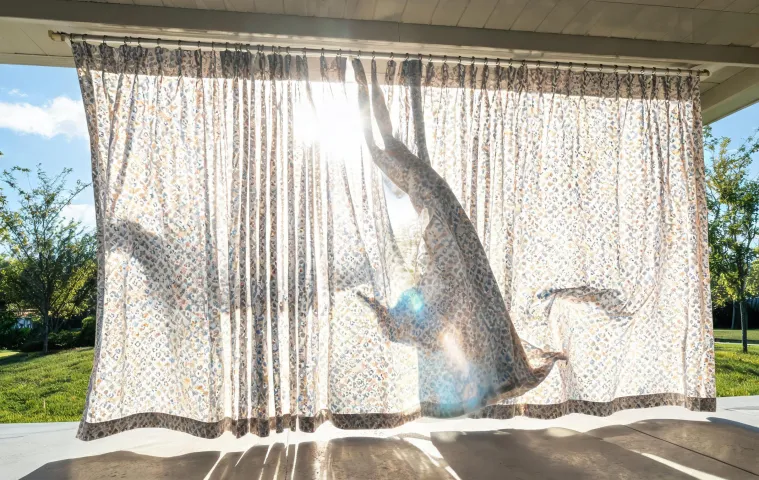
Outdoor curtain under wind and sunlight

Outdoor curtains

Wind movement, full-drop weight, repeat, usable width, edge finishing, light exposure and care affect appearance and durability. A small swatch cannot show installed drape or panel alignment.

Useful brief fields
Drop, width, repeat, orientation, wind, sunlight, heading, hem weight and care route.

Selection checklist

Resolve exposure trade-offs before ranking samples

Outdoor textiles balance color, handle, weather response, drying, abrasion, installation and maintenance. No one result can represent the complete installed system.

Water repellency or waterproof system?

Repellency can reduce wetting under stated conditions. Waterproof performance also depends on seams, closures, slope, pressure and installation.

Coloration route or shade flexibility?

Solution-dyed routes can support certain weathering goals, while other coloration routes may support palette flexibility. Compare method, shade, lot and use.

Low mass or structural stability?

Lower GSM can reduce bulk but may alter tension behavior, opacity, tear response, sewing and handling.

Initial result or aged condition?

UV, water, flexing, cleaning and storage can change response. Reports should state exposure sequence, specimen and acceptance point.

Important limits: color, weave, finish, lot and assembly can alter results. Laboratory exposure does not predict every climate or service life, and fabric evidence does not qualify hardware or installed geometry.

Describe the exposure and installed system first

Send climate, geometry, construction, seam or weld, hardware, cleaning route, target method, quantity and destination. The review will separate fabric evidence from assembly assumptions and open installation questions.

Submitting this form confirms you have read our Privacy Policy.